September 4, 2026
Explore the critical role of emergency towing and support services, understanding why they are a vital safety net for drivers everywhere. Knowledge about the typical response processes that occur during vehicle breakdowns can make your interactions with dispatchers far more productive. From minor battery jump-starts to complete vehicle transport, each recovery step requires coordination and clear communication. In this article, we will explore what you should anticipate when you request emergency support for your automobile. Being informed allows you to maximize personal safety, ensuring lasting peace of mind on every journey.
Understanding Roadside Assistance
Spotting early mechanical failure is often one of the earliest and most obvious signs that your vehicle requires immediate roadside attention. Vehicle trouble typically presents as unexpected engine sputtering, sudden tire pressure loss, or dashboard warning lights, with severe mechanical failures causing complete loss of power. Fresh breakdowns tend to leave motorists stranded on busy highways, while minor battery issues appear simple until darkness falls. Disabling issues are frequently found on high-speed interstates where continuous high-speed driving stresses aging vehicle components. According to Company Data, the number of Towing Services Companies in the USA is 55,542, reflecting a massive nationwide network dedicated to assisting stranded drivers. Ignoring subtle engine noises poses serious safety risks, carrying repair expenses and hazardous roadside exposure that escalate rapidly during peak traffic hours. Delaying emergency requests can lead to secondary traffic collisions, severe weather exposure, and compromised passenger safety, making prompt action necessary. Seeking immediate professional dispatch is recommended to minimize highway exposure while thoroughly securing your stranded automobile. Large mechanical failures indicate severe engine damage that requires specialized transport. When heavy mechanical breakdowns occur, professional roadside assistance is required to ensure safe towing and complete driver security.
Benefits of Having Roadside Assistance
Emergency highway dispatch is generally handled under specialized motor club procedures, which address non-collision mechanical failures along public roadways. Common signs of requiring roadside dispatch include flat tires, empty fuel tanks, locked key fobs, and dead starters. Hearing clicking sounds when turning the ignition key adds to the suspicion of total battery failure. Tracking down the exact location of your stranded vehicle can be challenging, but sharing mobile GPS coordinates helps dispatchers pinpoint your position quickly. Inspecting wheel wells, battery terminals, and under-hood fluids often reveals physical evidence of ongoing mechanical trouble. The unpredictable nature of highway travel means vehicles operating in extreme heat face constant overheating stress during long trips. Distinguishing between a minor flat tire and total suspension damage is key to requesting the correct recovery equipment accurately. Simple flat tires require straightforward wheel changes, whereas broken axles demand flatbed transport trucks. Mitigating further highway danger requires moving your vehicle to the outer shoulder and activating emergency hazard lights immediately. Combining personal safety precautions with professional roadside assistance offers a comprehensive solution to resolve vehicle breakdowns smoothly over time.
How to Choose the Right Roadside Assistance Program
One of the more dangerous aspects of severe mechanical failure is being stranded along dark rural highways without immediate professional help. High-speed traffic poses immense safety risks to stationary vehicles, necessitating rapid dispatch to clear disabled automobiles from travel lanes safely. Vehicle vulnerability appears as dead headlights, stalled engines, and locked doors, typically featuring high stress for stranded passengers. Mechanical breakdowns are most frequently observed in extreme weather conditions where freezing cold strains battery output or summer heat causes radiator boiling. Aging hoses, worn tires, and weak alternators often show signs of this sudden failure susceptibility. Unaddressed mechanical issues pose several serious risks, such as leaving families vulnerable to oncoming traffic or harsh outdoor elements. Disabled vehicles on narrow shoulders are particularly problematic, leading to dangerous near-misses and potential secondary highway impacts. To address this risk, drivers should carry emergency kits, keep mobile phones charged, and remain buckled inside the vehicle when stopped on busy freeways. Severe mechanical breakdowns require professional transport alongside targeted roadside assistance coverage options. When vehicle power or tire integrity fails on major highways, immediate expert evaluation and towing are vital to maintain personal safety.
What to Do During a Roadside Emergency
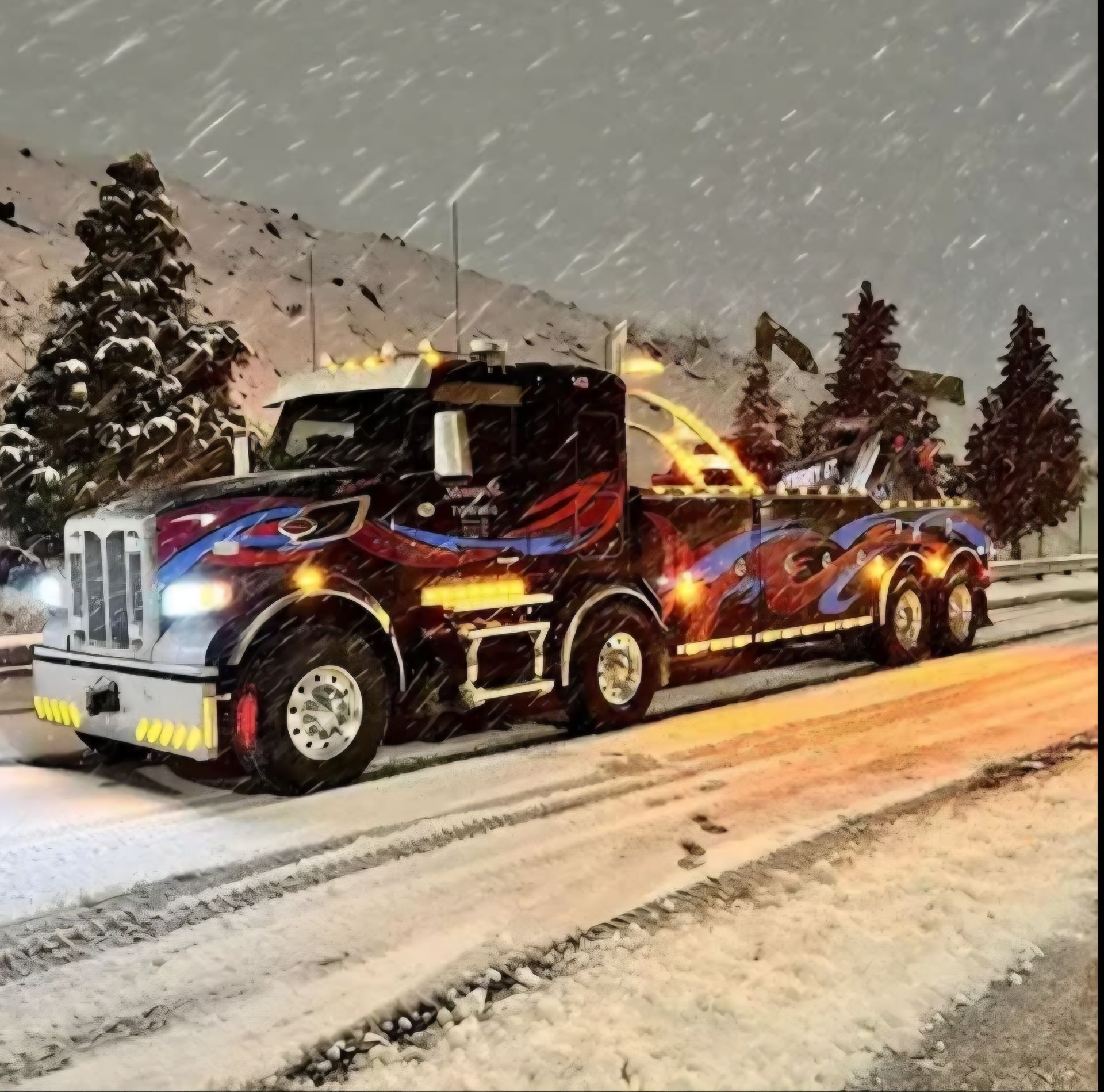
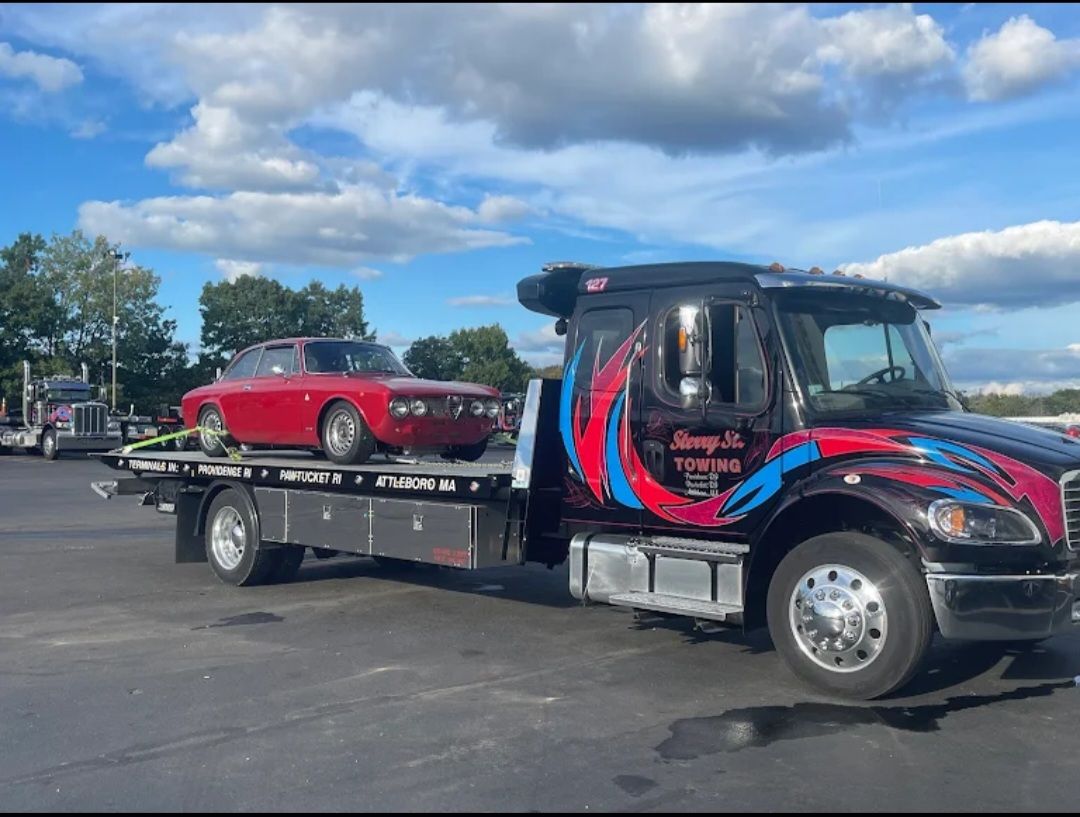
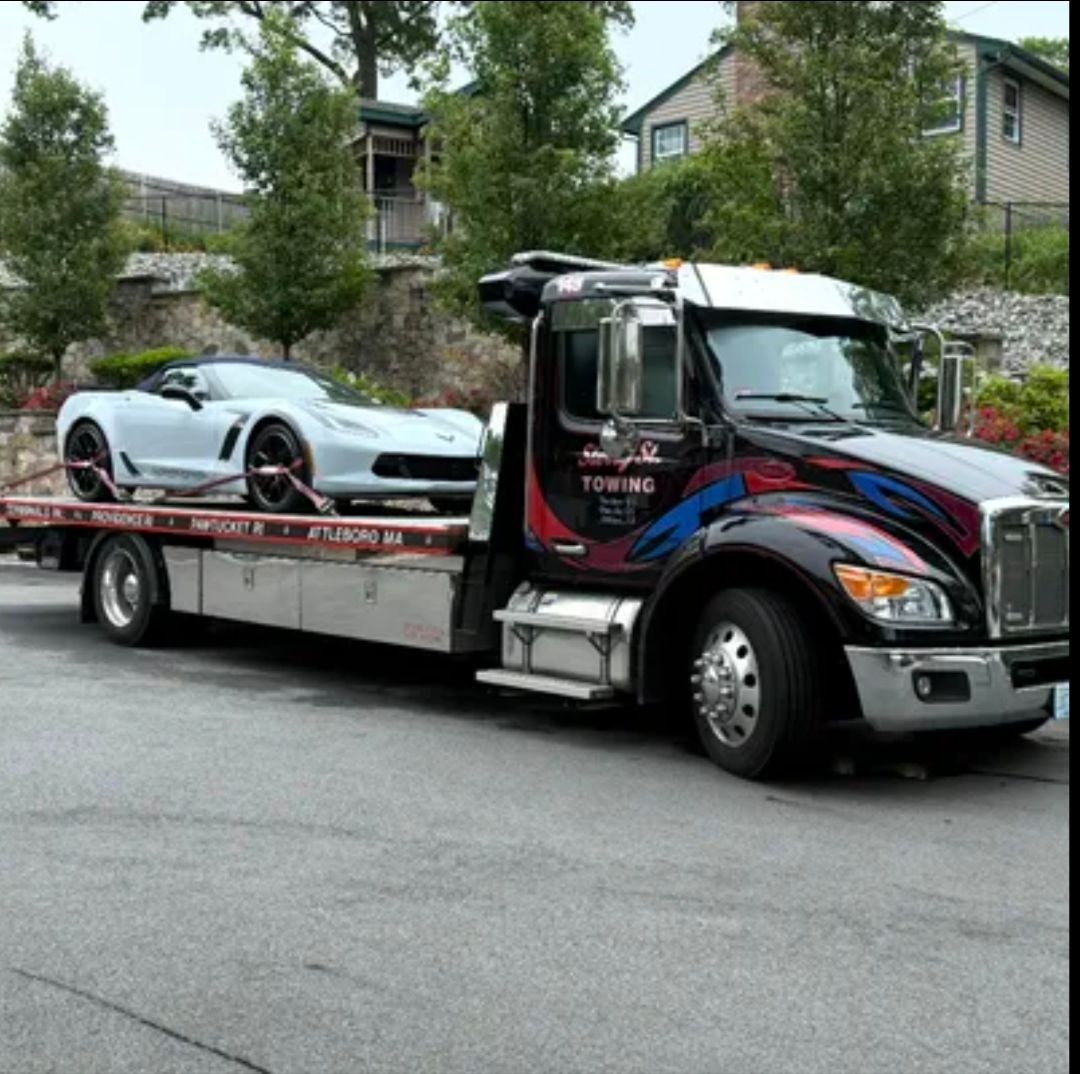
Emergency recovery operators frequently evaluate disabled vehicles using specialized dispatch technology to establish accurate recovery plans for stranded motorists. Dispatchers look for vehicle weight specifications, passenger counts, and precise highway mile markers to document total service requirements. Recognizing the presence of these factors, especially when stranded along hazardous mountain passes, indicates complex recovery needs. Work is commonly performed by experienced tow operators utilizing flatbed carriers, wheel-lift trucks, and heavy-duty winching equipment. Inspecting tire condition, winch anchor points, and transmission neutral settings can prevent additional driveline damage during vehicle loading operations. A single severe winter storm can strand dozens of motorists, creating massive dispatch demands for regional recovery fleets. Promptly addressing mechanical breakdowns by contacting dedicated dispatch centers helps maintain overall highway safety and traffic flow. Completing service requests must be done carefully using clear landmark descriptions, including precise highway exit numbers and direction of travel. Communicating exact locations before operators depart reduces response times significantly. Utilizing GPS tracking applications, working with certified tow operators, and maintaining a reliable roadside assistance policy form a robust defense against dangerous highway strandings.
The Environmental Impact of Roadside Services
Modern emergency recovery fleets manage highway breakdowns using advanced logistics management to reduce response times and fuel consumption across municipal coverage zones. Operators analyze traffic patterns, regional driver density, and severe weather forecasts to position recovery vehicles strategically. Identifying optimal dispatch routes early is a significant factor in preserving driver safety, especially during late-night hours or severe winter blizzards. Finding the exact vehicle location requires checking digital map data, cellular tower pings, and highway camera feeds. Attention must also be paid to environmental safety factors like fuel spills, fluid leaks, and dangerous road curves. Hazards associated with highway strandings pose long-term risks due to secondary collisions and exposed pedestrians along high-speed corridors. Leaving a disabled car on an active shoulder can lead to severe traffic delays or exacerbate collision risks across multiple travel lanes. Effective methods to eliminate highway hazards include rapid vehicle winching and applying professional safety lighting to warn oncoming motorists. Engaging experienced recovery operators ensures thorough site clearance and complete elimination of dangerous road blockages. Regular vehicle maintenance keeps cars reliable and minimizes the need for urgent emergency interventions.
A clear understanding of what to expect during a highway emergency can significantly enhance your overall safety as a motorist. Being well-informed allows you to engage knowledgeably with dispatch operators from start to finish, ensuring all proposed towing and recovery options fit your specific vehicle requirements and travel situation without unexpected delays. Such thorough preparation enables you to make the best decisions during stressful breakdowns, leveraging expert recovery dispatch and professional towing fleets to achieve immediate safety. Furthermore, taking a proactive stance on vehicle maintenance helps protect your automobile from sudden mechanical failure, costly highway towing fees, and dangerous traffic hazards. Regular battery checks, routine tire inspections, and maintaining active emergency coverage keep you prepared for any journey while preserving your peace of mind for years to come. To permanently secure reliable emergency support, protect your family against sudden highway breakdowns, and enjoy complete peace of mind on every trip, rely on the comprehensive roadside assistance solutions provided by Sterry Street Towing.