October 6, 2026
Vehicle problems can happen with little warning, leaving drivers stranded at home, on a busy roadway, in a parking lot, or far from their intended destination. A flat tire, dead battery, mechanical breakdown, collision, or lockout can quickly turn an ordinary trip into a stressful situation. When help is needed, the quality of the response can make a major difference in how smoothly the problem is handled. Reliable roadside services should combine prompt communication, appropriate equipment, trained personnel, clear expectations, and careful handling of the vehicle. Drivers may not have much time to compare providers during an emergency, which makes knowing what qualities to look for especially useful. Understanding the characteristics of a dependable towing and roadside provider can help motorists make a more informed decision before assistance is ever needed.
1. Providing Prompt and Dependable Response Times
One of the most important qualities of a roadside provider is the ability to respond within a reasonable amount of time. A stranded driver may be dealing with heavy traffic, poor weather, darkness, extreme temperatures, or an unfamiliar location, making delays especially frustrating. A dependable company should communicate clearly about estimated arrival times and provide updates when conditions affect the schedule. While traffic, distance, and current call volume can influence response times, drivers should not be left wondering whether help is actually on the way.
Reliable roadside services also require organized dispatching so the right vehicle and technician are sent to each situation. A simple jump-start may require different equipment than a rollover recovery or heavy towing job. Sending appropriate resources from the beginning can reduce unnecessary delays and help the technician address the problem more efficiently. A company that answers calls consistently, gathers accurate location details, and explains what drivers should expect can make an already difficult situation feel more manageable.
2. Maintaining Proper Equipment and Capabilities
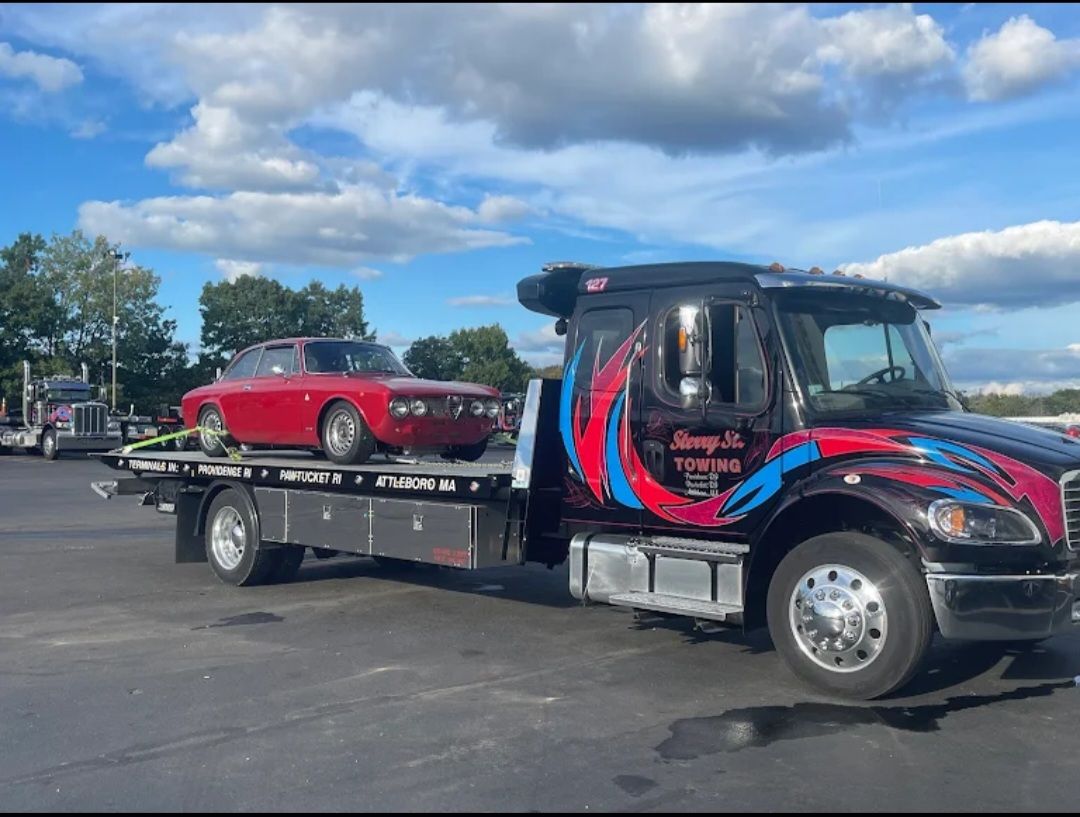
A roadside provider should have equipment suited to the range of calls it accepts. Tow trucks, wheel lifts, flatbeds, jump-start equipment, tire tools, winches, safety lights, and other gear may all be necessary depending on the situation. Equipment should also be maintained so that it performs reliably when needed. A truck arriving quickly does little good if it cannot safely handle the disabled vehicle or the specific conditions at the scene.
Different vehicles can require different towing methods, particularly when dealing with all-wheel-drive vehicles, motorcycles, larger trucks, or vehicles that have been damaged in a collision. Dependable roadside services should be prepared to match the equipment to the vehicle rather than using the same approach for every call. The provider should also understand any limitations before dispatching a truck. Proper equipment and preparation can reduce the risk of unnecessary vehicle damage and help the service proceed more efficiently.
3. Employing Trained and Careful Operators
Equipment is only as useful as the person operating it. Roadside and towing work can involve traffic hazards, heavy loads, damaged vehicles, uneven terrain, and tight spaces. Operators need to understand how to secure vehicles, use towing equipment correctly, and work safely around passing traffic. They should also know how to evaluate a situation before beginning so they can determine whether additional equipment or assistance may be required.
A trained operator should handle the customer's vehicle carefully from arrival through completion of the service. Reliable roadside services depend on technicians who can communicate professionally while using proper loading, securing, and towing procedures. Drivers may already be stressed by the breakdown or accident, so a calm and knowledgeable operator can make the experience easier. Careful work can also help prevent avoidable damage while the vehicle is being moved, recovered, or prepared for transport.
4. Communicating Clearly With Stranded Drivers
Good communication begins when the driver first contacts the company. Dispatchers should gather essential information such as the vehicle's location, type, condition, and the nature of the problem. They may also need to know whether the vehicle is blocking traffic, located in a dangerous area, or involved in an accident. Collecting accurate information helps the company determine what equipment and assistance are needed before the truck is sent.
Clear communication should continue after the technician arrives. Drivers should understand what service is being performed, where the vehicle will be taken if towing is necessary, and what they should do while the work is underway. According to Zipdo, approximately 45% of towing-related roadside incidents result from vehicle breakdowns, while accidents make up around 25%. Because roadside calls occur under many different circumstances, reliable roadside services should be able to explain the next steps clearly rather than assuming every driver already understands the towing or recovery process.
5. Offering a Useful Range of Assistance
Not every roadside problem requires a tow. Some vehicles may simply need a battery jump, tire change, fuel delivery, lockout service, or another relatively straightforward form of assistance. A provider that can address several common problems may be able to get a driver moving again without transporting the vehicle. This flexibility can make the service more practical, particularly when the vehicle itself is still mechanically capable of continuing the trip once the immediate issue is resolved.
At the same time, reliable roadside services should be prepared to arrange towing when on-site assistance is not enough. Mechanical failures, collision damage, overheating, transmission problems, or other issues may make driving unsafe or impossible. A provider that can evaluate the situation and offer an appropriate solution can help drivers avoid taking unnecessary risks. Having several service options available also means the company can respond to a wider variety of roadside situations without requiring the customer to contact another provider.
6. Prioritizing Safety at Every Stage
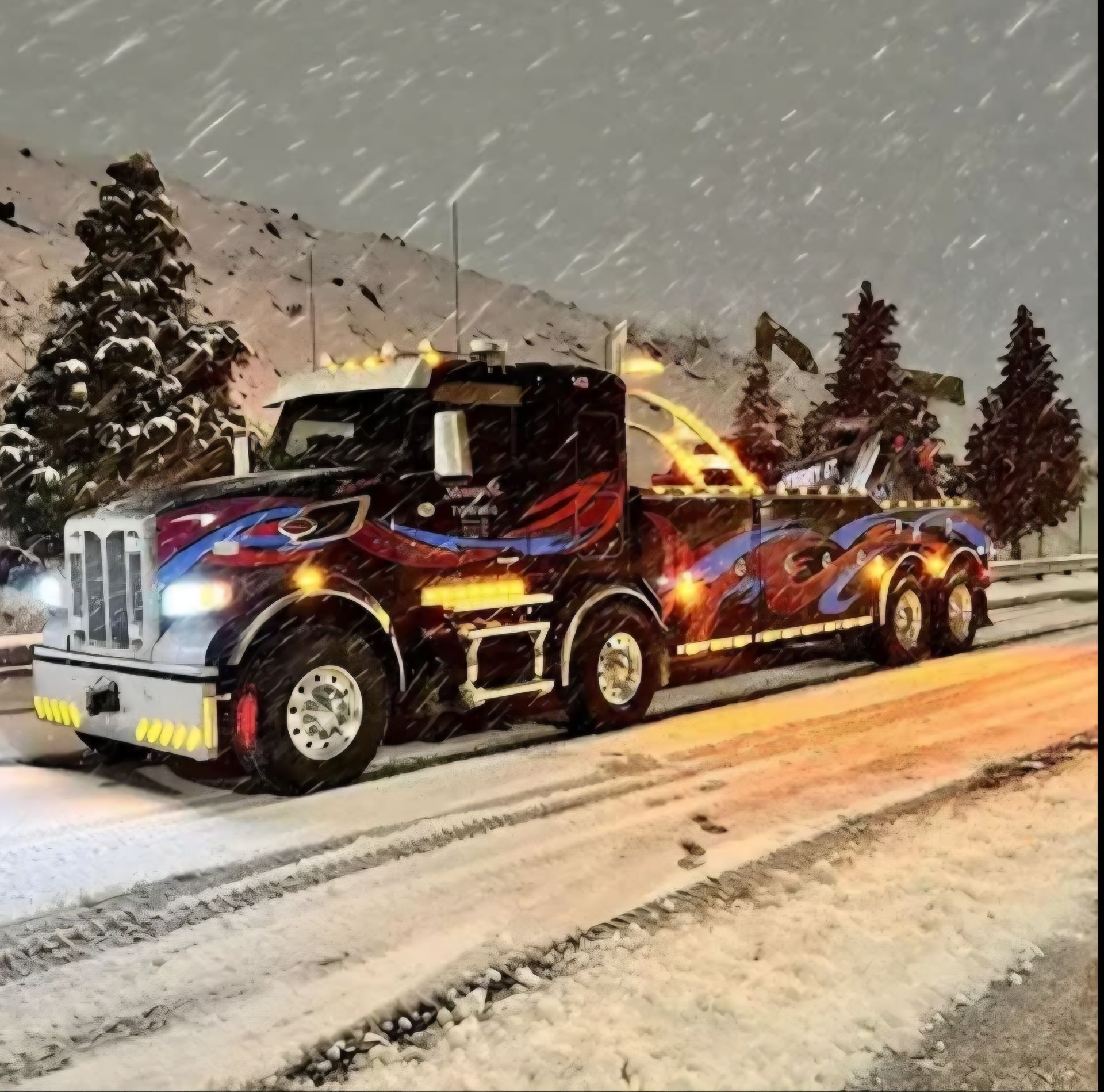
Roadside work often takes place close to moving traffic, which makes safety an essential part of the service. Tow trucks should use visible lighting and warning equipment when appropriate, and operators should position vehicles carefully based on roadway conditions. Drivers may also be instructed to remain in a safer location while assistance is being performed. These precautions can be particularly important at night, during severe weather, or on highways where vehicles are moving at higher speeds.
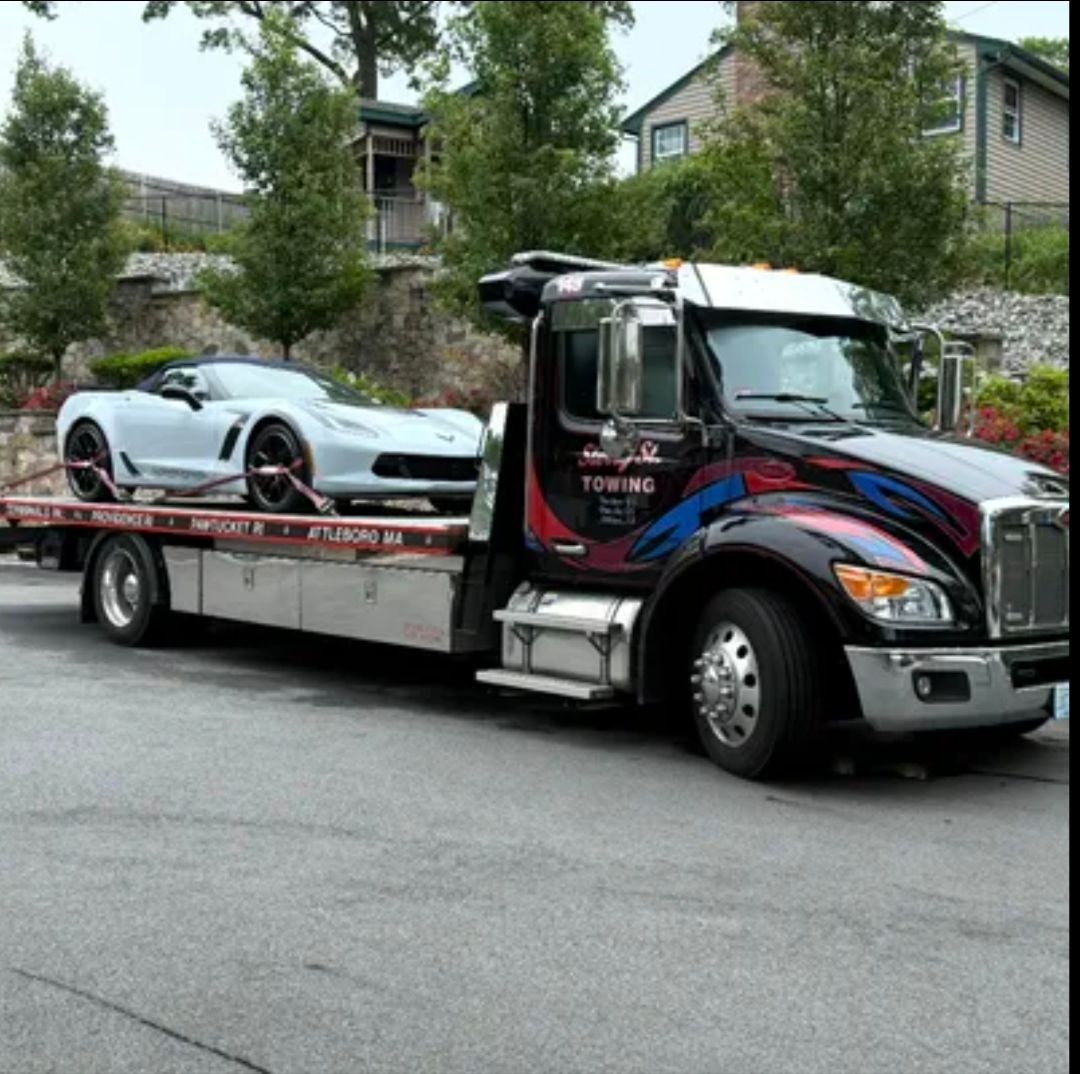
Reliable roadside services should also focus on keeping the disabled vehicle secure during loading, transport, and unloading. Proper attachment points, straps, chains, or other securing methods can help keep the vehicle stable while it is being moved. Operators should take the surrounding environment into account, including traffic, slopes, soft shoulders, debris, and damaged vehicle components. A strong safety-focused process protects not only the customer and technician but also other motorists passing the scene.
7. Providing Transparent and Professional Service
Drivers should have a reasonable understanding of what service they are receiving and how charges will be handled. Pricing can vary depending on distance, vehicle type, time of service, recovery complexity, and other factors, but the provider should explain available information as clearly as possible. Unexpected circumstances can sometimes change the final cost, particularly during complicated recoveries, but communication can reduce confusion and help customers understand why additional work may be necessary.
Professionalism also includes treating customers respectfully, arriving with appropriate equipment, handling vehicles carefully, and completing documentation when necessary. Dependable roadside services should make drivers feel that the situation is being managed competently rather than adding more uncertainty to an already stressful event. A company that combines clear communication, careful work, and consistent procedures can build trust with customers who may need assistance again in the future.
Choosing a dependable roadside provider involves more than finding the first tow truck available. Prompt response, appropriate equipment, trained operators, clear communication, multiple service options, strong safety practices, and professional customer care all contribute to a better experience when vehicle trouble occurs. Reliable roadside services can help drivers handle breakdowns, accidents, flat tires, dead batteries, and other unexpected problems while reducing confusion during a stressful situation. Learning about providers before an emergency can make it easier to know who to call when help is needed quickly. For dependable assistance when your vehicle leaves you stranded, contact Sterry Street Towing.