November 12, 2026
Navigating modern highway networks requires continuous vigilance, yet mechanical failures and roadway incidents can happen without warning at any hour of the day or night. When an unexpected vehicle breakdown occurs, having rapid access to professional towing support can immediately convert a frightening, isolated ordeal into an orderly and secure recovery operation. Motorists often underestimate the vulnerability that comes with a stalled vehicle until they find themselves facing high-speed traffic or poorly lit rural corridors during non-standard business hours. In these urgent scenarios, turning to comprehensive roadside assistance services ensures that qualified professionals intervene swiftly, removing motorists from precarious conditions and initiating appropriate steps to recover the stranded automobile safely.
Beyond the baseline mechanical support, continuous towing availability fundamentally reshapes how drivers experience travel across expanding regional transit systems. Commuters who work irregular evening shifts, commercial logistics drivers transporting goods across state lines, and families traveling long distances during major holiday periods all rely upon an uninterrupted web of professional infrastructure to protect their journeys. Rather than leaving individuals stranded during severe midnight squalls or early-morning commutes, round-the-clock vehicle operators deploy specialized resources to stabilize each situation. Modern dispatch ecosystems eliminate the friction of seeking emergency transit help, ensuring that professional guidance arrives before adverse environmental conditions or hazardous traffic patterns create compounded complications for the vehicle occupants.
Securing Stranded Motorists Across Vulnerable Roadway Corridors
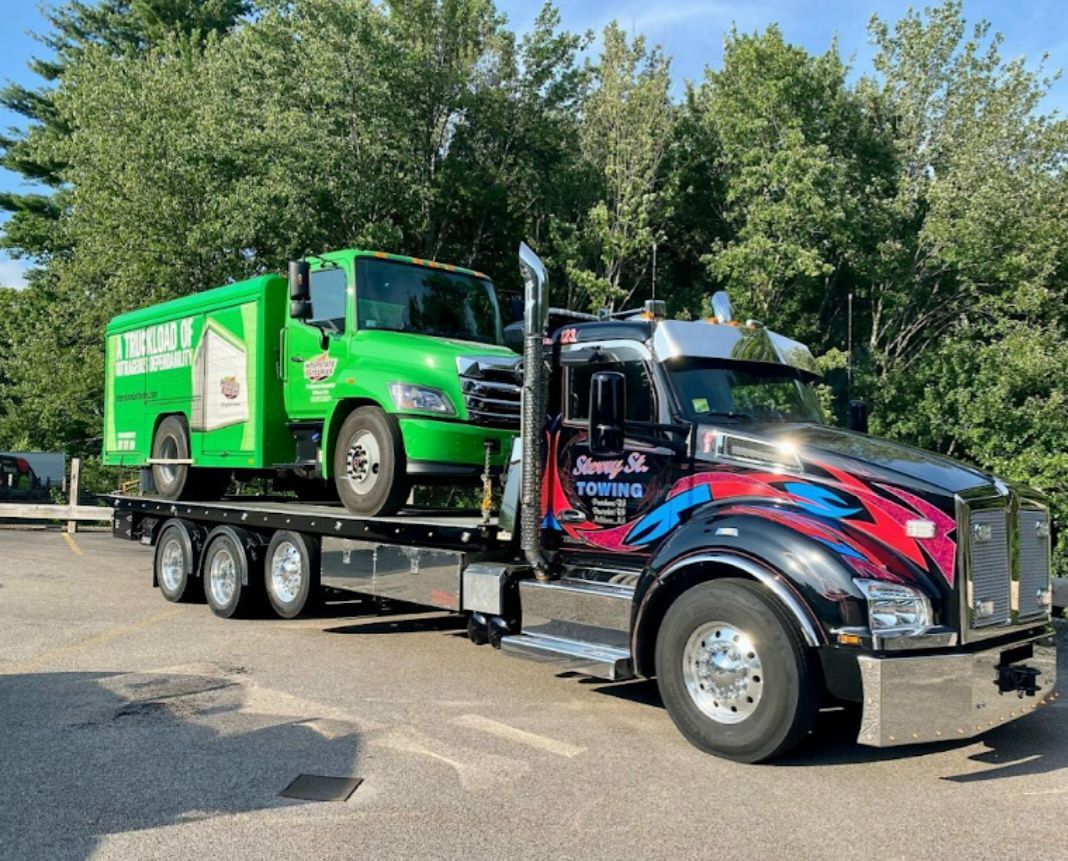
Stopping along the shoulder of a high-speed interstate or within a blind curve creates immediate safety hazards for drivers and their passengers. The proximity of passing commercial freight and distracted motorists makes an immobilized vehicle exceptionally dangerous, particularly when low visibility or inclement weather further obscures the road ahead. Professional towing units mitigate these catastrophic threats through rapid response deployments, high-intensity hazard lighting, and strict adherence to roadway scene control guidelines. Operators swiftly load disabled passenger cars and heavy SUVs onto flatbed haulers, clearing active traffic lanes and preventing secondary collisions that frequently claim lives on major transportation arteries across the country.
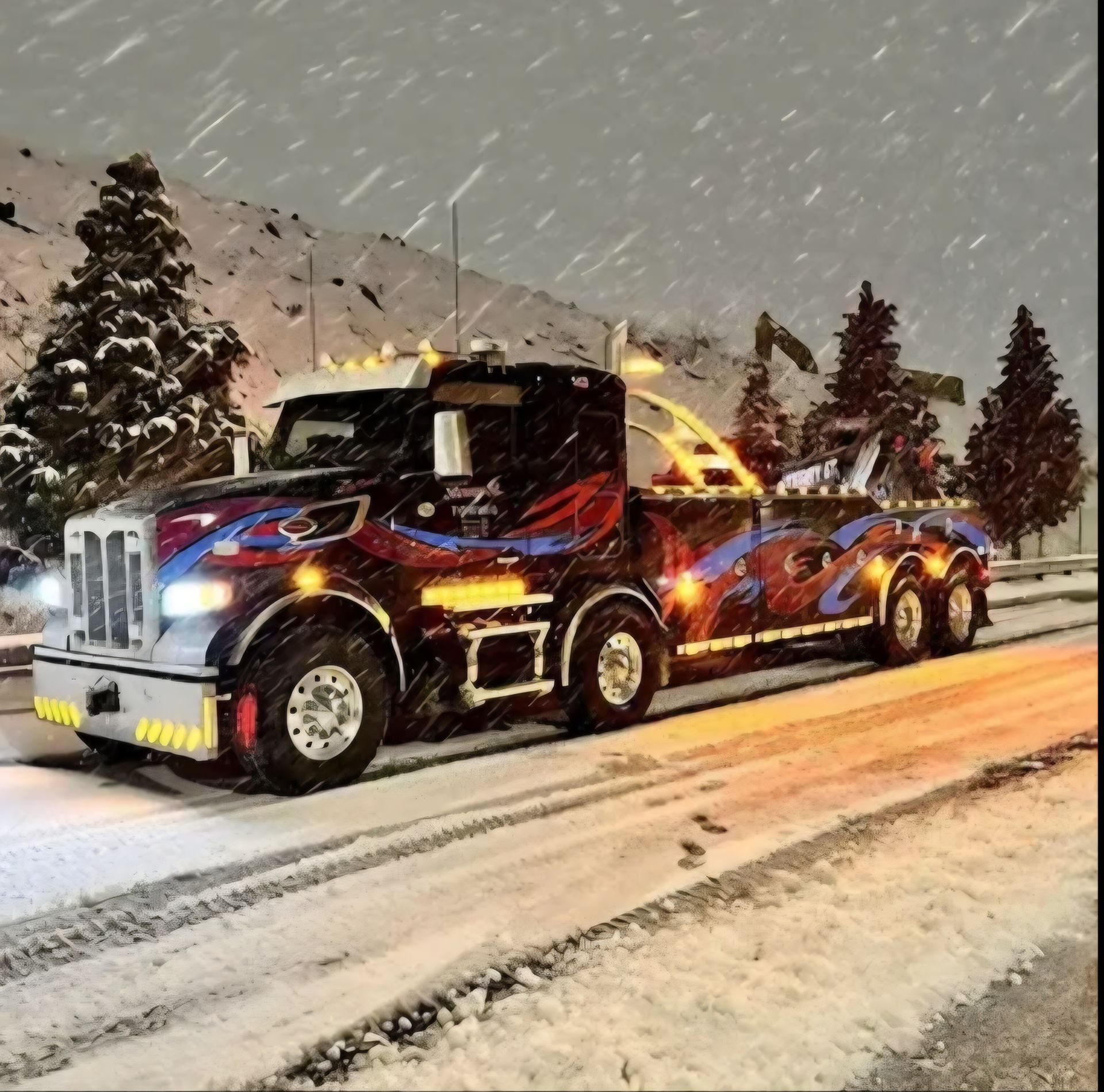
Operating effectively in total darkness or through severe atmospheric storms requires specialized training that standard motorists simply do not possess. In an industry that serves over 285 million registered vehicles and manages nearly 6 million road accidents annually, according to Precision Reports, the importance of comprehensive and responsive towing cannot be overstated. The ongoing evolution of towing services, coupled with advances in technology and customer service innovation, underscores their critical role in supporting every driver's peace of mind and journey continuity. Expert technicians leverage these modern roadside assistance services to interface directly with municipal first responders, coordinate traffic control barriers, and safely extract families from vulnerable positions without exposing passengers to extreme cold, rising water, or speeding traffic.
Mitigating Financial Liabilities Through Upfront Pricing Structures
Vehicle breakdowns frequently introduce considerable stress regarding unpredictable expenses, especially when emergency towing occurs during non-traditional operating hours. When drivers rely on established towing providers, they benefit from clearly published pricing frameworks that outline hookup fees, per-mile transportation costs, and specific recovery surcharges in advance. This absolute clarity eliminates predatory pricing schemes and deceptive billing practices that unvetted operators sometimes inflict upon stranded travelers. Knowing the total financial obligation before dispatch units arrive on the scene allows motorists to make informed logistical choices regarding destination repair centers, helping protect personal and commercial budgets from uncontrolled emergency expenditures.
Prompt towing intervention also yields significant secondary cost savings by preventing further structural degradation of the disabled vehicle. Leaving an immobilized vehicle along an unsecured shoulder exposes the asset to sideswipe collisions, wheel theft, vandalism, and harsh environmental exposure that quickly multiplies original repair estimates. Many insurance carriers and extended warranty contracts coordinate directly with accredited towing networks, covering transportation outlays wholly or reimbursing expenses through standardized documentation. By taking advantage of verified roadside assistance services, vehicle owners avoid costly secondary mechanical complications, protect their valuable capital investments, and maintain full compliance with complex municipal vehicle impoundment regulations.
Minimizing Travel Delays With Intelligent Dispatch Technologies
Unexpected mechanical failures have the potential to derail critical professional commitments, medical appointments, and carefully planned family vacations if logistics are handled poorly. Contemporary dispatch centers combat these prolonged schedule interruptions by utilizing sophisticated telematics, mobile satellite positioning, and algorithmic routing systems to identify the nearest qualified recovery truck. Drivers no longer face ambiguous arrival estimates or lengthy communication bottlenecks while waiting by their vehicles; instead, modern tracking portals provide live vehicle updates, exact driver identities, and accurate arrival windows directly to consumer smartphones, restoring control and clarity to an otherwise chaotic afternoon.
Once the recovery technician arrives, the primary focus shifts to restoring mobility and minimizing downtime for everyone involved in the incident. Seasoned recovery professionals routinely assist with onward transportation arrangements, coordinating connections with municipal ride-share platforms, rental car agencies, or direct commercial transport options to keep stranded passengers moving toward their intended destinations. Towing operators also maintain direct operational channels with regional automotive service facilities, allowing them to route disabled passenger vehicles directly to qualified mechanical bays with immediate intake capacity. The inclusion of responsive roadside assistance services into everyday travel planning guarantees that unexpected vehicle breakdowns represent nothing more than temporary logistical hiccups rather than catastrophic cancellations.
Operating Specialized Rigging For Modern Vehicle Architectures
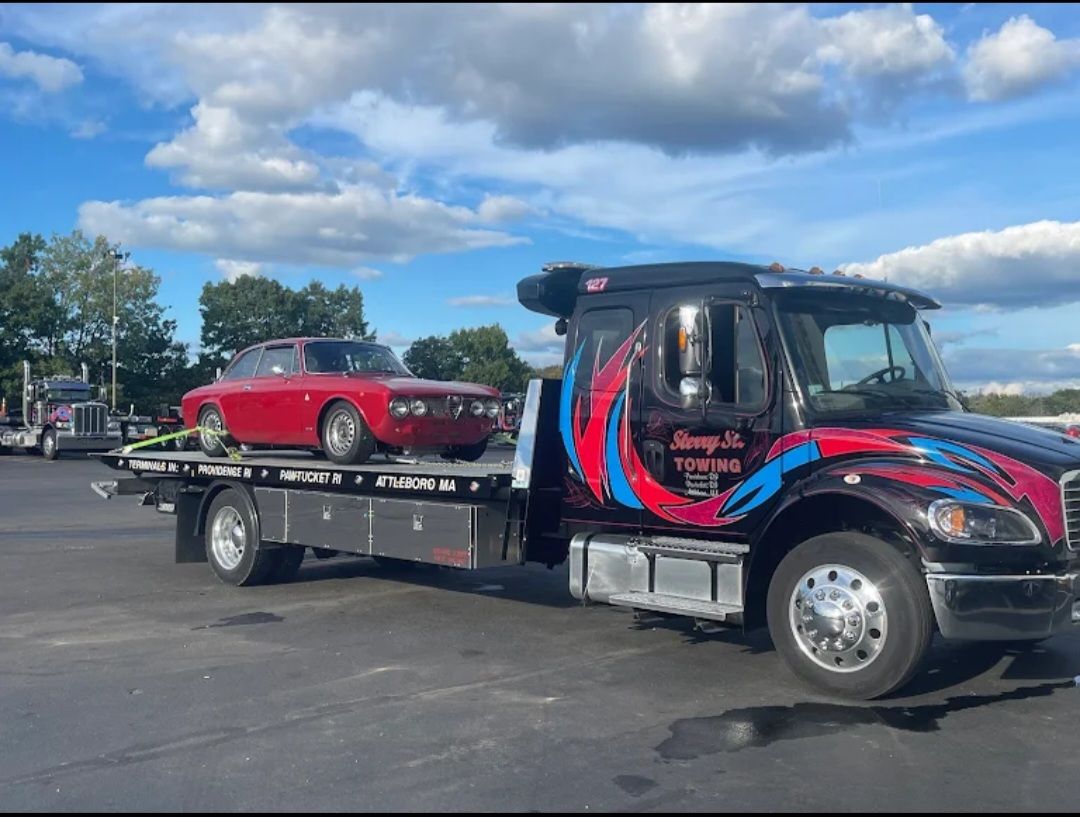
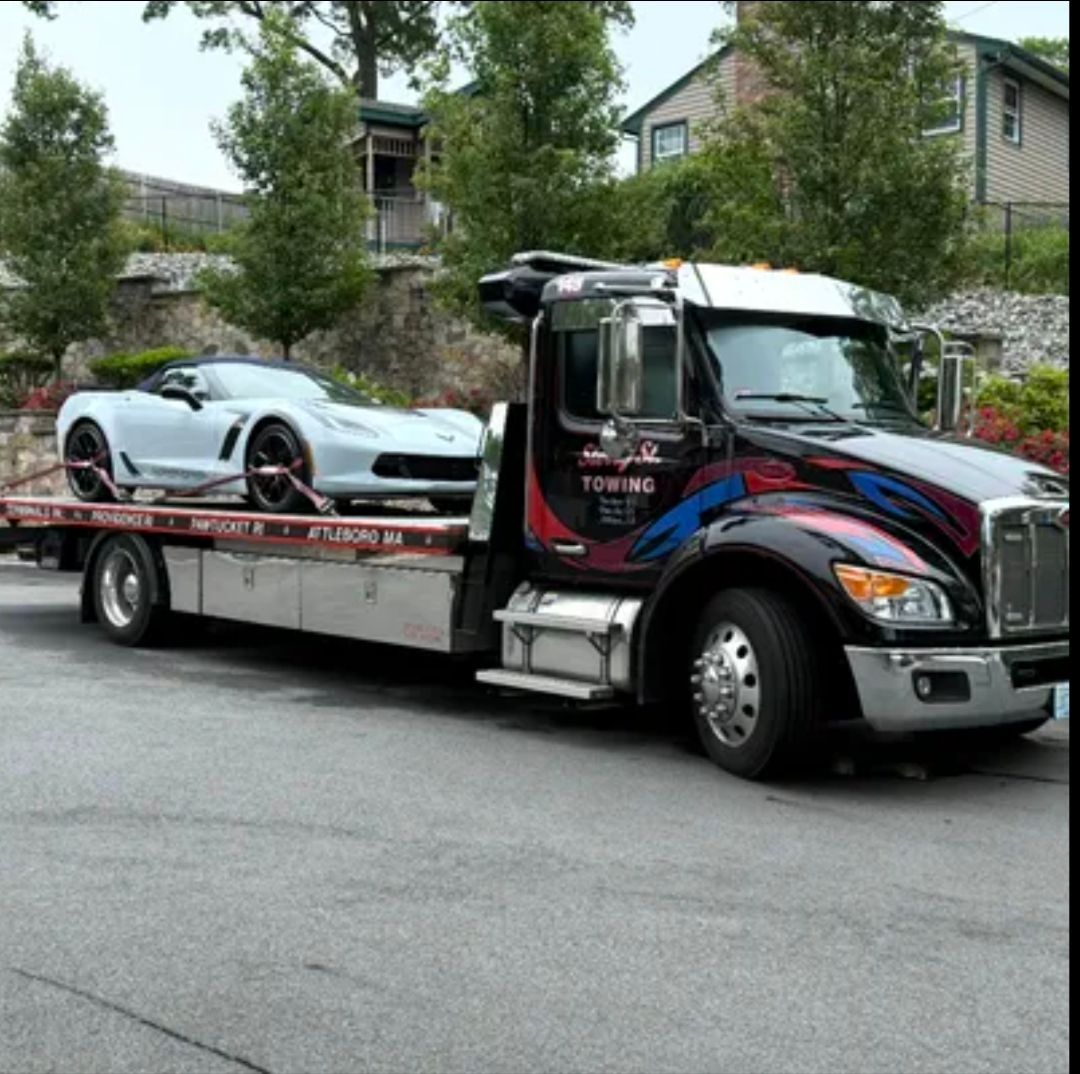
The modern automotive landscape is extraordinarily diverse, spanning compact electric runabouts, heavyweight battery-electric utility trucks, low-clearance sports cars, and complex commercial vans. Each distinct vehicle architecture presents unique structural requirements that demand precise handling, proper weight distribution calculations, and non-invasive recovery methodologies to avoid catastrophic undercarriage damage. Standard hook-and-chain mechanisms are entirely obsolete for modern unibody frames, aluminum suspensions, and delicate high-voltage traction batteries; instead, modern fleets utilize advanced hydraulic rollbacks, composite soft-strap wheel nets, and pneumatic auxiliary dollies to securely transport vehicles of any specification without exerting harmful torsional loads.
Towing operators undergo rigorous industry certification programs to master the engineering principles underlying contemporary vehicle stabilization, recovery winching, and transport safety. Technicians possess extensive diagnostic knowledge that allows them to assess vehicle conditions accurately, identifying locked electronic parking brakes, all-wheel-drive transfer case constraints, and low-voltage electrical failures before initiating loading procedures. By deploying sophisticated roadside assistance services, drivers protect sophisticated mechanical systems from inadvertent damage while ensuring that complex recovery maneuvers are executed with absolute precision. Modern towing fleets represent a vital mobile extension of the automotive engineering sector, capable of safely managing advanced consumer vehicles under the most demanding environmental circumstances imaginable.
Improving Service Delivery Through Customer Centric Innovations
The modern towing industry has evolved into a customer-focused sector where digital convenience and seamless administrative processes are prioritized at every customer touchpoint. Gone are the days of paper carbon-copy receipts and cash-only emergency transactions conducted on dark highway shoulders; today, drivers benefit from digital payment gateways, mobile tap-to-pay terminals, automated insurance claim filings, and cloud-based vehicle tracking. Mobile applications allow consumers to enter exact vehicle conditions, request flatbed equipment, and communicate special vehicle towing parameters directly to dispatch personnel with a few taps on a smartphone screen, eliminating confusion and human error during high-stress interactions.
Beyond initial roadside recovery, service providers focus heavily on post-incident follow-up and transparent client communications to maintain high professional standards. Quality assurance teams analyze customer feedback, track driver response times, and monitor service delivery metrics to continually improve operational efficiency and safety protocols across their regional service footprints. Motorists can review detailed transport documentation, track exact vehicle delivery timestamps at downstream repair centers, and receive photographic verification of safe arrival directly within their personal digital records. Accessing these refined roadside assistance services transforms a potentially traumatic automotive failure into an orderly, thoroughly supported customer experience that prioritizes driver dignity and emotional relief.
Round-the-clock emergency towing represents an indispensable foundation of modern roadway safety, providing motorists with immediate security, financial transparency, and mechanical expertise during critical roadside breakdowns. Whether mitigating the intense hazards of busy highway shoulders, navigating severe midnight winter storms, or ensuring the non-invasive transport of delicate electric vehicle platforms, dedicated towing professionals serve as the quiet sentinels of national transportation networks.
When automotive emergencies strike, drivers deserve immediate access to seasoned professionals who combine advanced recovery technology with rapid response commitments. Do not wait for an unexpected mechanical failure to leave you stranded in an unfamiliar or hazardous location without a dependable recovery plan. Partner with Sterry Street Towing today to secure comprehensive
roadside assistance services, ensuring that your vehicle and your loved ones receive prompt, professional, and reliable care every single mile of your journey.